

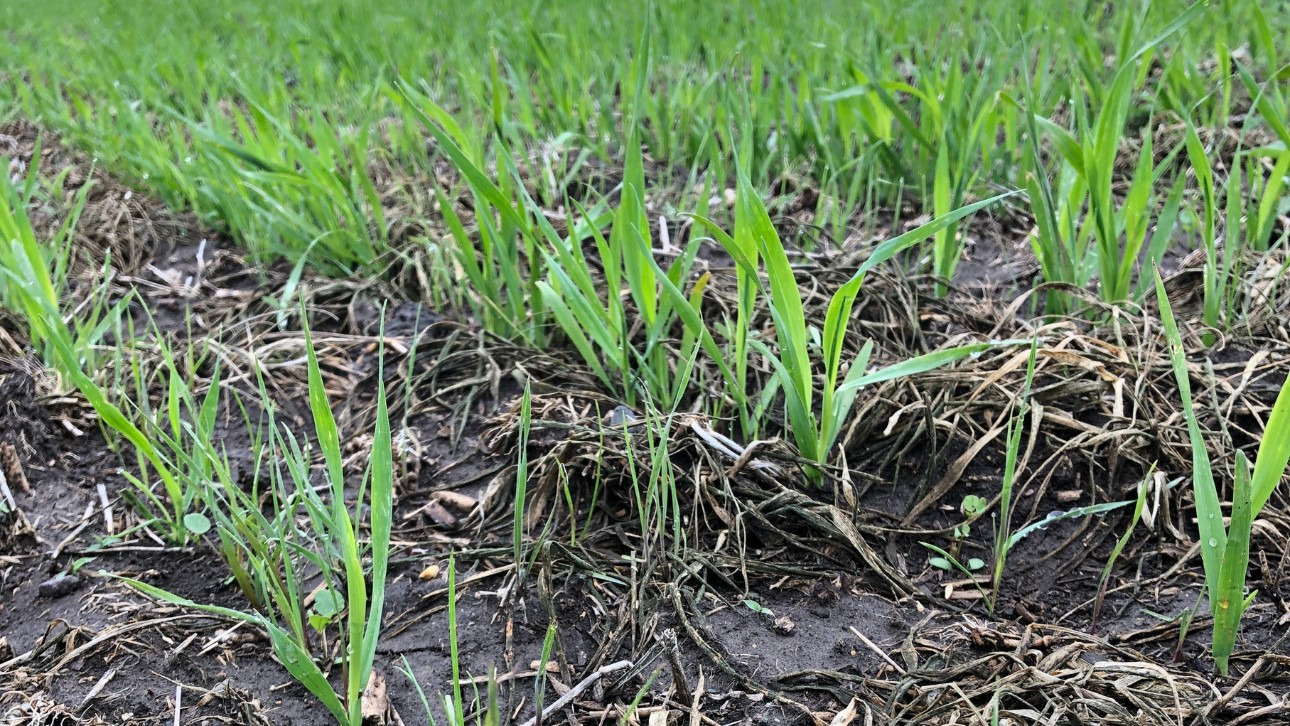
If you’re looking for a way to take advantage of early spring moisture and get a head start on forage establishment, dormant seeding may be a good option for you. When timed correctly, dormant seeding allows you to get seed in the ground before spring conditions arrive, giving it the opportunity to germinate as soils warm and moisture becomes available.
Dormant seeding involves planting seed when soil temperatures are cold enough to prevent germination. This typically means seeding into frozen soils or when soil temperatures remain below 2°C. The goal is to keep seed dormant through the winter so it can begin germinating naturally as soil temperatures rise in the spring.
One of the biggest advantages of dormant seeding is the opportunity to take advantage of early spring moisture. It can also help spread out fieldwork and provide an earlier start to the growing season.
Certain forage species are better suited for dormant seeding than others. Hard-seeded legumes, such as birdsfoot trefoil, cicer milkvetch, sainfoin, alfalfa and clovers, can be good candidates. These species can benefit from the timing of dormant seeding, allowing them to remain in the soil until conditions are right for germination.
However, dormant seeding isn’t the right fit for every situation. Timing is one of the most important factors to consider. Seeding too early, while soil temperatures are still warm, can cause seed to germinate before winter conditions arrive. Winter warming events can also create problems. If temperatures rise enough to trigger germination and are followed by a damaging freeze, newly germinated seedlings may be lost.
If dormant seeding is the right fit for your operation, there are a few management practices to keep in mind for the best chance of success:
- Seed shallow when planting into existing sod. Proper seed placement is important for good seed-to-soil contact and successful establishment.
- Inoculate legumes before seeding. Make sure legume seed is properly inoculated to support nitrogen fixation.
- Pay attention to fertility. Soil fertility plays an important role in forage establishment. Phosphorus, in particular, is important to consider.
- Increase your seeding rate by at least 25%. Increasing the rate can help account for potential establishment losses associated with dormant seeding.
- Watch soil and weather conditions. Avoid conditions where winter warming could trigger germination followed by a damaging freeze.
Dormant seeding can be a useful tool for forage establishment, but success depends on species selection, timing, soil conditions and proper management. While it offers an opportunity to take advantage of early spring moisture, it’s important to understand dormant seeding before getting started.
Have questions about dormant seeding or want to know if it’s a good fit for your operation? Reach out to your nearest Millborn dealer or connect with our forage specialist, Kassidy, at kassidy@millborn.ca for more information. We’re happy to help you find the right approach for your operation!