



If there’s one thing every producer knows, it’s that farming and ranching don’t come with many guarantees. Weather changes. Markets swing. Input costs fluctuate. While you can’t control those variables, you can build a forage system that’s better prepared to handle them.
One of the best ways to reduce risk is by diversifying your forage program. Instead of relying on a single crop or harvest window, a mix of perennial and annual forages gives you more opportunities to produce quality feed, no matter what the season brings.
I often get asked the question about whether to plant annuals or perennials for the most or best feed. The answer is simple: both have a place.
Perennial forages like alfalfa and perennial grasses are the foundation of many successful operations. Once established, they provide dependable production year after year without the expense and labor of annual planting. Alfalfa, in particular, delivers the high-quality, high-protein hay many livestock operations depend on, while also contributing nitrogen and improving overall soil health.
Annual forages bring a different advantage: flexibility. They often produce impressive yields, allow you to adjust your cropping plans each season, and give you another tool to respond to changing weather or feed needs. They also add valuable diversity to corn and soybean rotations, helping break pest and disease cycles, suppress weeds, and support healthier soils.
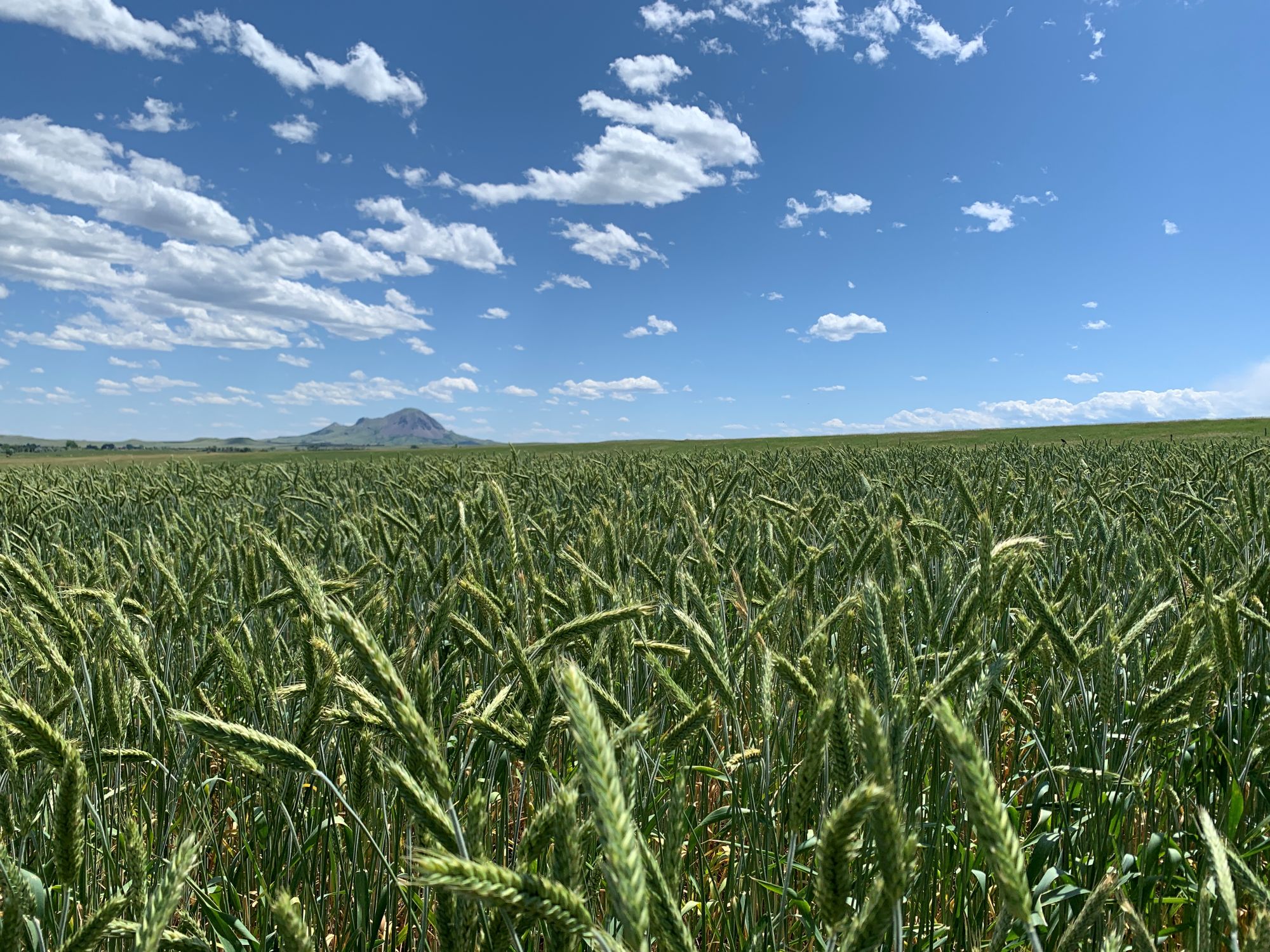
One of the biggest opportunities for many livestock producers comes after corn or sorghum silage harvest in September. That’s an ideal time to seed winter triticale, cereal rye, or forage winter wheat. These crops establish in the fall, take advantage of winter moisture and early spring rains, and provide high-quality forage weeks before most spring-planted crops are ready. Whether you’re grazing, chopping silage, or putting up hay, they help fill an important gap in the forage calendar.
If you’re looking to add feed later in the season, there are plenty of options there, too. Summer annuals like millet or forage sorghum can quickly produce quality forage, giving you another chance to respond when conditions (or your feed inventory) change.
The producers who consistently come out ahead aren’t necessarily the ones chasing the highest yield every year. They’re the ones building systems that perform across a wide range of conditions. By combining dependable perennial forages with strategically placed annuals, you can spread risk, improve soil health, extend your harvest windows, and create a more reliable forage supply year after year.