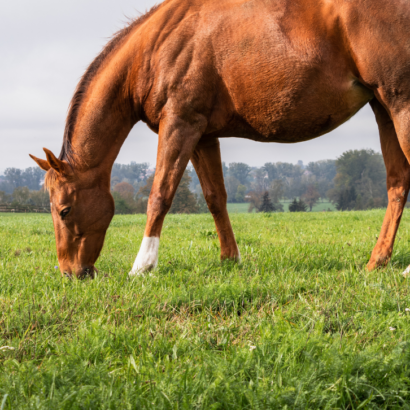


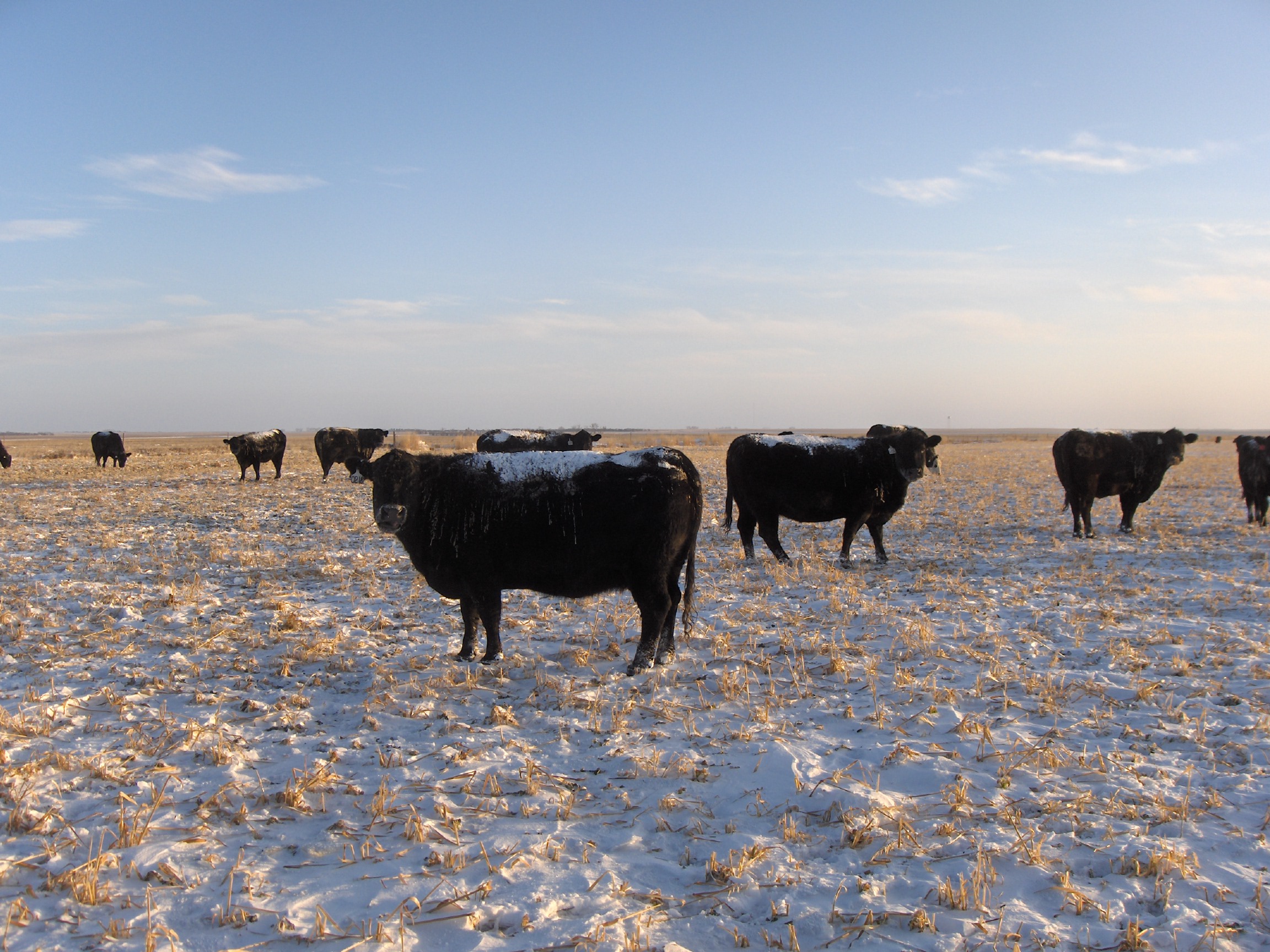
Winter grazing long into the season is a goal for all cattle producers. But a few things need to line up correctly for this to meet the nutritional needs of your cow herd. Obviously, the first obstacle is the weather. There will be years when we get too much moisture before the ground freezes, and years when crusted snow prevents cattle from grazing through it. But for the most part, in most years, we can graze for at least some portion of the winter. We just need to plan for it.
Stockpiling your existing perennial pasture allows you to save on labor, reduce feed costs, and enhance soil quality. The species composition of your pasture will determine how best to manage that stockpiling. Tall fescue is a cool-season grass commonly found in the central part of the nation and is routinely grazed through the winter by ranchers. This grass persists very well throughout the year, allowing it to be grazed or hayed multiple times before the fall regrowth is reserved for winter. Other cool-season grasses such as brome, orchardgrass, and the wheatgrasses can also be used this way. However, it is important that the fall regrowth on these species is strong before stockpiling begins. These grasses do not have the same persistence, and their spring growth tends to decline more quickly in palatability and quality.
Native grasses have some of the best potential for winter grazing scenarios. These hardy species hold their palatability far into the winter and can be very high yielding. Warm-season natives such as big bluestem, Indiangrass, sideoats grama, and buffalograss were staples on the prairie for bison to graze throughout the winter. These grasses are deep-rooted, drought-tolerant species that, when managed properly, can last indefinitely. Because they come on later in the growing season, they don’t necessarily show strong persistence under heavy grazing pressure. So, if your goal is to stockpile these for winter, manage them specifically for that purpose and avoid grazing them until that time.
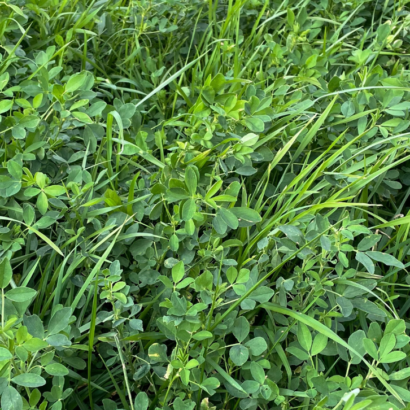
Perhaps the most valuable perennials for a winter grazing system are legumes. These broadleaves are key to increasing protein content throughout the pasture. Alfalfa, red clover, sainfoin, and cicer milkvetch are the most commonly grazed species. Sainfoin and milkvetch are much better suited to well-drained soils with lower rainfall and complement native grasses very well. In contrast, alfalfa and red clover prefer heavier soils and environments with more moisture. Incorporating these legumes into your existing grass stand is very achievable and is commonly done by overseeding or frost-seeding late in the fall.
By aligning species traits with regional conditions and managing pastures intentionally throughout the growing season, cattle producers can not only extend the grazing window but also improve soil health, reduce feed costs, and build greater resilience into their operations. Winter grazing is always a bit of a gamble, but with the right forage base and preparation, it is a practice that pays.