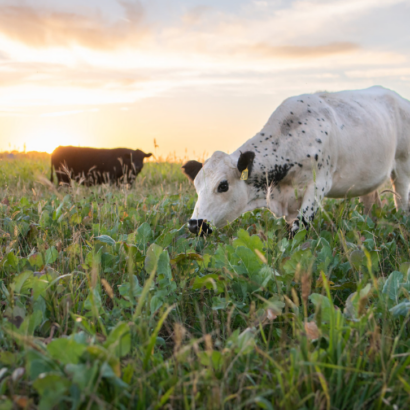



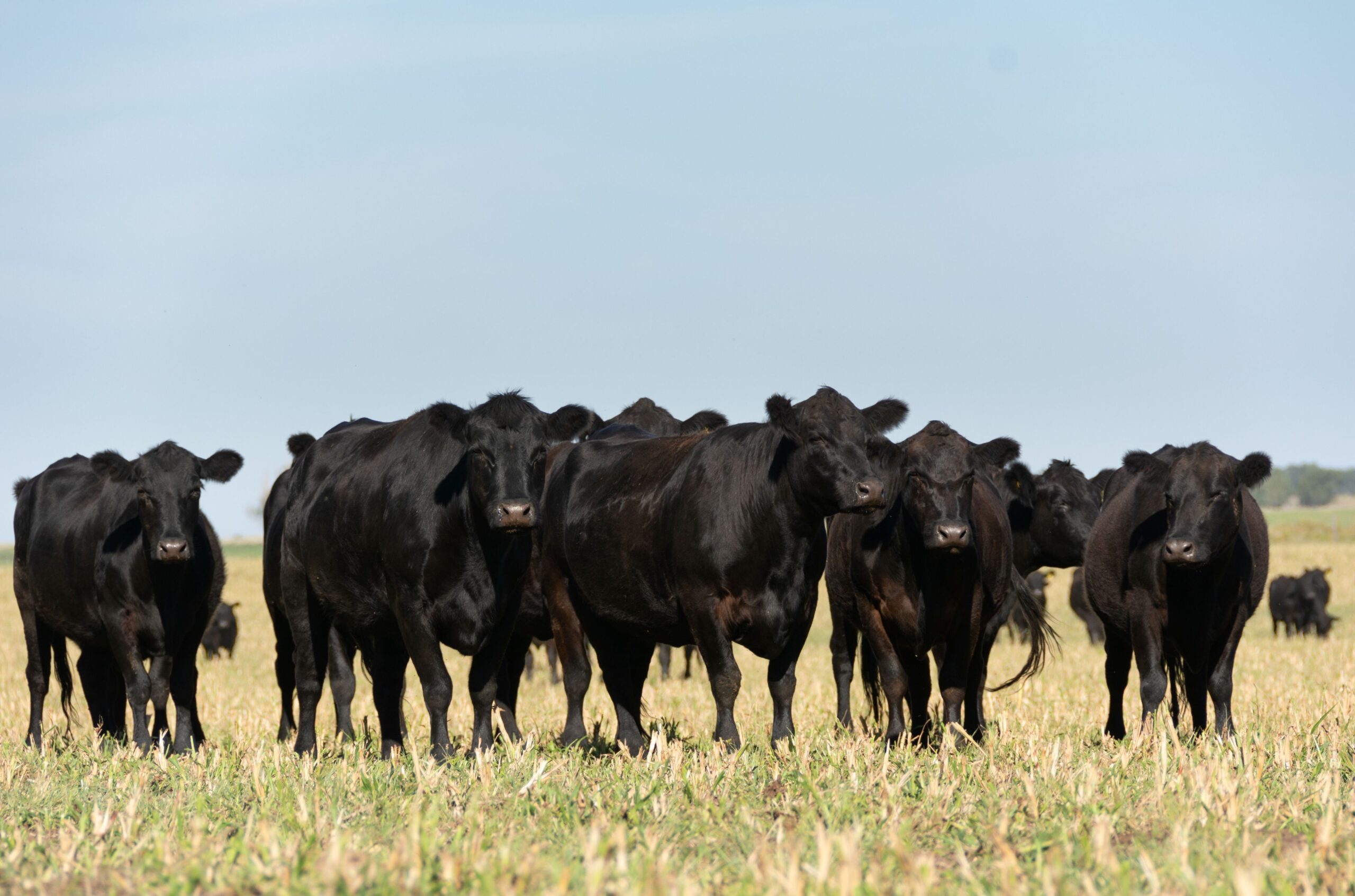
As cattle markets strengthen and crop margins tighten, many producers are rethinking how cropland fits into their overall operation. Grazing annual forages on cropland offers a flexible, short-term strategy to extend the grazing season, reduce feed costs, and improve soil health, without committing land to permanent pasture. When designed intentionally, annual forage grazing can generate immediate returns while setting the field up for long-term productivity.
Not all cropland is equally suited for grazing. Fields with good drainage, manageable slopes, and reliable access to water perform best. Temporary fencing makes it possible to subdivide fields into small paddocks, improving forage utilization and manure distribution. Dividing the field into cool-season and warm-season forage acres is a practical way to maintain consistent forage quality throughout the grazing season. A roughly equal split works well in most regions, though acreage can be adjusted based on climate and livestock demand.
Cool-season annuals provide early spring and fall grazing. A diverse mix of forage oats, forage barley, and triticale helps spread maturity dates and reduce risk. Adding high-yielding legumes such as forage peas and lentils improves forage quality while contributing nitrogen. Fast-establishing brassicas like forage rape, kale, or swede round out the mix by adding palatability, frost tolerance, and highly digestible protein.
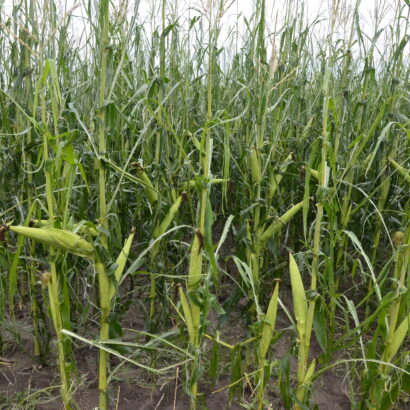
Warm-season annuals address the summer grazing slump and extend grazing into the fall. Blends of millet and BMR sorghum-sudangrass hybrids provide exceptional yield. Most importantly, they thrive in heat and are highly drought-tolerant, making them an effective hedge against weather variability. These species should be planted slightly later than cool-season paddocks; soil temperatures should reach at least 60°F before planting. Other warm-season options include forage soybeans, cowpeas, or mung beans, which add forage quality similar to other legumes in a blend.
Annual forages should not be grazed too early. Cool-season species are typically ready at 8 to 12 inches of growth, while warm-season grasses should reach 18 to 24 inches. Brassicas benefit from at least 60 days of growth before grazing. Targeting a utilization rate of 50 to 65% protects regrowth and maintains soil cover. Rotational or strip grazing allows livestock to harvest forage evenly while leaving adequate residue behind. Frequent moves, often daily or every few days, maximize intake efficiency and prevent selective grazing.
These forage systems commonly produce 6 to 8 tons of forage per acre as-fed. At a conservative utilization rate, roughly 8,000 to 9,000 pounds per acre are consumed. Cow-calf pairs typically consume about 2.5% of body weight daily, making it possible to support high stocking densities for short grazing periods. In-season adjustments will be necessary to accomodate weather conditions and grazing duration. Stay nimble with pasture layout, and let animal performance and plant response guide movement timing.
Grazing annual forages on cropland with cattle can be a strong alternative to many cash crops this season. The system offers attractive short-term returns when cattle prices are favorable, along with long-term soil health benefits that pay dividends for years to come. With thoughtful planning and management, cropland can become a powerful grazing resource – working just as hard for livestock as it does for crops.